
You have a patio project sketched out in your head. You might even know how big it needs to be. But once you start adding up everything that goes into it, from pavers to base to sand to edging, it can get confusing fast.
If you’ve been looking for a patio supply store in the Dayton area that can help you sort this out, that’s us. Here’s what actually goes into a paver patio so you’re not guessing at the supply yard.
Calculating Your Patio Pavers for Dayton, Ohio
Start by measuring your patio area in square feet. Take the length and multiply it by width. If you have odd shapes, break them into rectangles and add them up. Then add about 10% for cuts and waste. If you need to do a patio with curves, angles, or a fire pit cutout, make it more like 15%, so you have enough to work with.
In short, if you’re working on a 300 square foot patio, you’ll want 330 to 345 square feet of pavers.
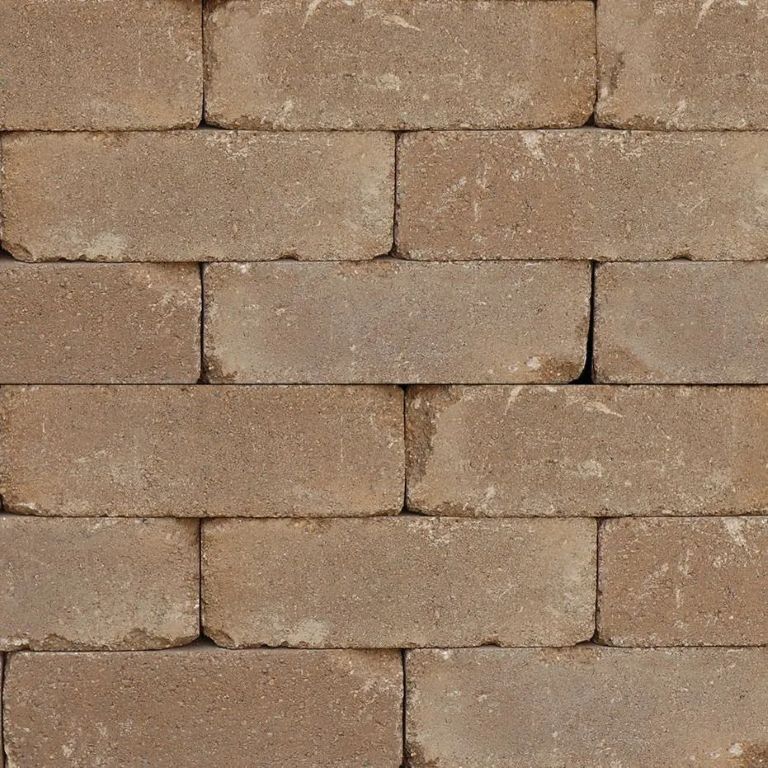
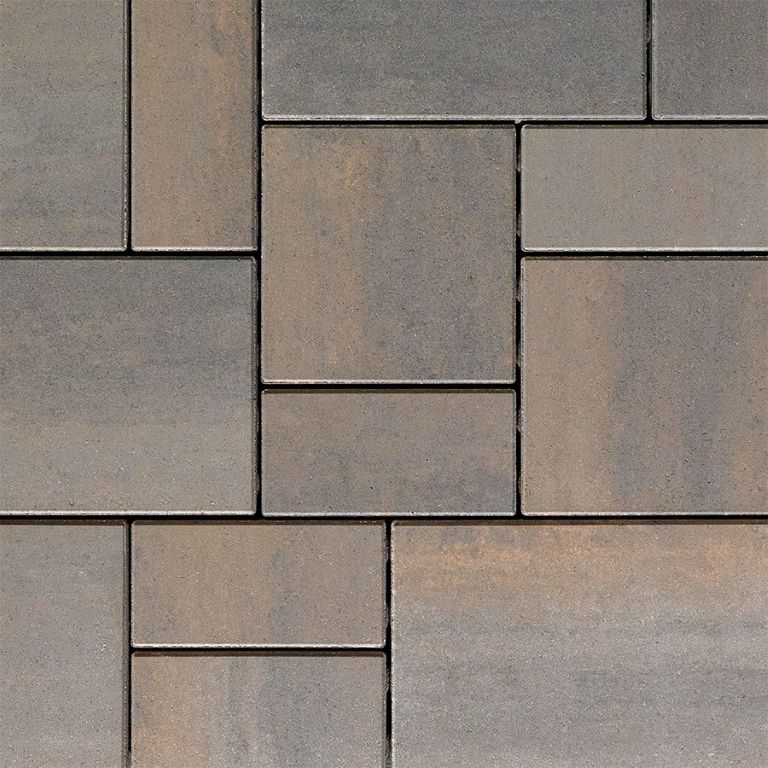
When it comes to choosing the pavers themselves, we carry Techo-Bloc and Reading Rock, and are proud to supply greater Dayton patio pavers. And don’t forget that coverage varies by size and pattern. If you’d like help with this step, our design team can get you an exact count pretty quickly.
There’s one critical mistake you’ll want to avoid here. And that is: ordering the exact square footage.
It’s very easy to run short about two-thirds of the way through a project. When that happens, you’ll have to order another pallet or two of supplies. And that is going to slow the project down.
Base, Sand, and Everything Underneath
Every paver patio needs a compacted aggregate base. That typically consists of 4 to 6 inches of crushed limestone or gravel. In the Dayton area, with all our clay soil, we recommend you go with 6. Clay shifts and doesn’t drain as well as some other soil, so a thin base on clay can mean a wavy patio in a few years.
To figure out how much you need, multiply the square footage times depth in feet (so 6 inches would be 0.5 feet). Then divide by 27, and you’ll have the amount of cubic yards you need. So a 300 square foot patio will need about 5.5 cubic yards. (When in doubt, round up.)
We carry bulk landscape materials, including aggregate, and we deliver, so you won’t have to run stress tests on your truck suspension.
On top of the base goes 1 inch of bedding sand. For 300 square feet, that’s about 1 cubic yard. Sand is on the cheaper side, so it’s a good idea to order the full yard. Ending the project with an inconsistent bed because you came up short on one side is a headache you don’t want or need.
Edging and Restraints
This has been an issue for DIYers for a long time, and we want to help you avoid it. Long story short, if you don’t have patio edging, pavers will slowly creep outward. That’s enough for a patio to spread apart in a couple of years.
After all the work on your installation, you’ll want to avoid this outcome. So start by measuring every exposed edge that isn’t against a foundation or existing wall. Then add 10%.
A 15-by-20 foot patio against the house needs three sides. That’s 50 linear feet total, which you can call 55 with a buffer. That’s usually about $30 to $50, so not a huge expense. Skipping it ends up being far more expensive in the end.
If your design calls for walls or caps (for seat walls, raised borders, retaining walls), those double as edge restraints where they meet the paver field.
The last material you’ll need is polymeric sand. You sweep it into the joints after laying pavers. It locks everything in place and keeps weeds out. One bag covers 25 to 50 square feet, depending on joint width.
Let Your Dayton Patio Supply Do the Math
You can run these numbers by yourself. But if you’d rather skip the math, our design team can sort it out for you. Bring your measurements, even rough ones. We’ll tell you what you need, how much, and what it’ll cost.
Contact us or stop by: 9125 State Route 48, Dayton, OH 45458. Call (937) 885-1948 or email office@patio-supply.com. Monday through Friday, 8:00 AM to 5:00 PM.
Leave a Reply